Why Composting Matters
Published by CompostPulse
Composting isn’t just for backyard gardeners anymore – it’s a powerful tool for anyone looking to live more sustainably, even in small spaces. Whether you use a countertop composter, a bokashi bin, or a worm farm under your sink, turning food scraps into nutrient-rich compost can make a big difference.
In this guide, we break down why composting is so important – for your home, your community, and the planet.
Environmental Benefits of Composting
1. Diverts Waste from Landfills
Food scraps and other organic matter make up a huge portion of household waste. When sent to landfill, they break down without oxygen (anaerobically) and release methane, a greenhouse gas over 25x more potent than carbon dioxide.
By composting, we promote aerobic breakdown, drastically cutting down methane emissions.
2. Enriches Soil & Locks In Carbon
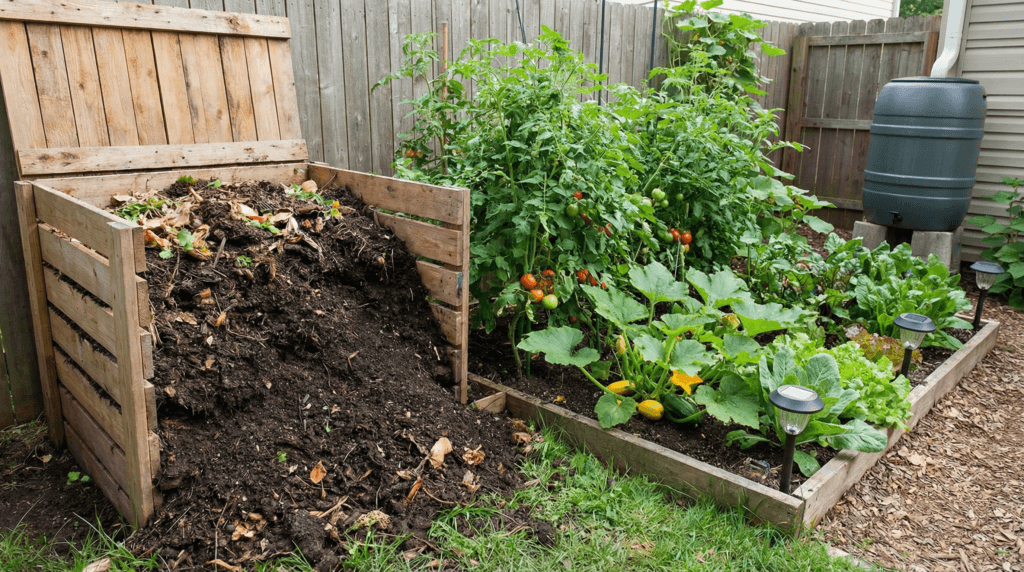
Finished compost improves soil structure, increases moisture retention, and delivers slow-release nutrients. Even small-scale composting supports carbon sequestration, helping reduce atmospheric CO₂. It’s climate action you can do at home.
3. Reduces Need for Chemical Fertilizers
Healthy compost is packed with natural nutrients. By feeding your garden or houseplants with compost, you cut back on synthetic fertilizers that often pollute waterways and degrade soil over time.
Economic Benefits of Composting
1. Cuts Down on Waste Disposal Costs
Whether you’re a homeowner or a city council, less waste means less money spent on landfill fees and rubbish collection. Some communities even offer rebates or discounts for composting households.
2. Boosts Green Jobs
The composting sector creates local employment – from collection services and processing facilities to the booming market in compost-based products and soil amendments.
3. Saves Gardeners and Growers Money
Forget buying expensive fertilizers. Compost is nature’s original soil booster – and it’s free when you make it yourself.
Social & Community Benefits
1. Sparks Community Action
From shared composting hubs to school education programs, composting brings people together around a common goal: reducing waste and caring for the environment.
2. Protects Public Health
Organic waste left to rot in landfill can contaminate groundwater or attract pests.Composting at home keeps your waste clean, controlled, and put to good use.
3. Improves Urban Green Spaces
Cities that compost have healthier soil in parks, community gardens, and street planters – creating cooler, greener places for everyone to enjoy.
Composting: A Small Act with Big Impact
Composting may feel like a humble household task, but its ripple effects are enormous. By turning your kitchen waste into a valuable resource, you’re actively participating in the solution to climate change, food waste, and soil degradation.
Whether you live in an apartment, a tiny home, or a large suburban property, there’s a composting method that can work for you. At CompostPulse, we’re here to help you find the right system, troubleshoot the process, and become a part of the composting revolution.
Brought to you by CompostPulse – From Dog Poop to Banana Peels, We Make Composting Simple and Safe.