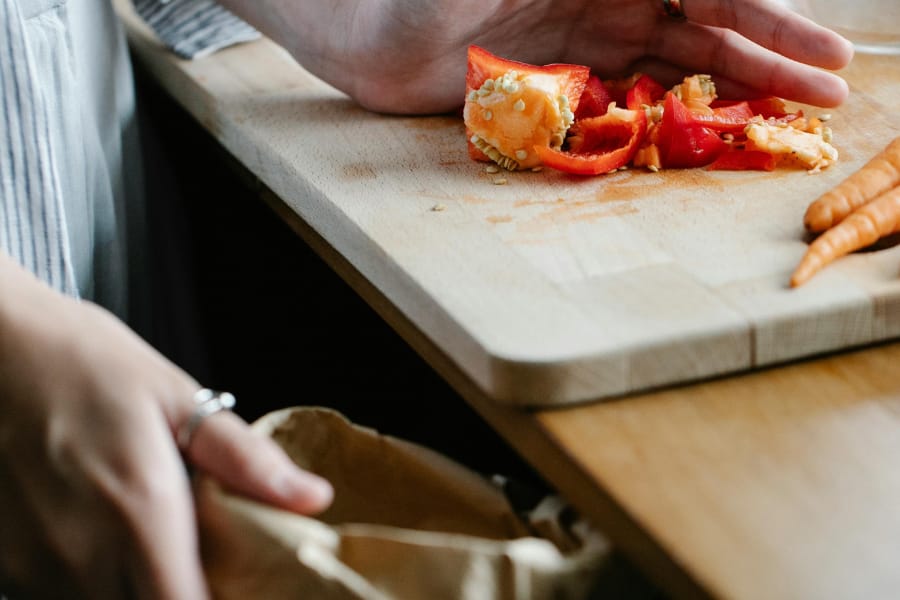
Food scraps don’t have to end up in the rubbish bin. Indoor composting makes it possible to turn kitchen waste into useful compost right from your home, even if you live in an apartment or have a tiny kitchen.
Whether you want to reduce household waste, lower your environmental impact, or simply stop throwing away banana peels and coffee grounds, indoor composting is one of the easiest eco-friendly habits to start.
<The best part? Modern indoor composting systems can be surprisingly clean, compact, and odour-free.
What Is Indoor Composting?
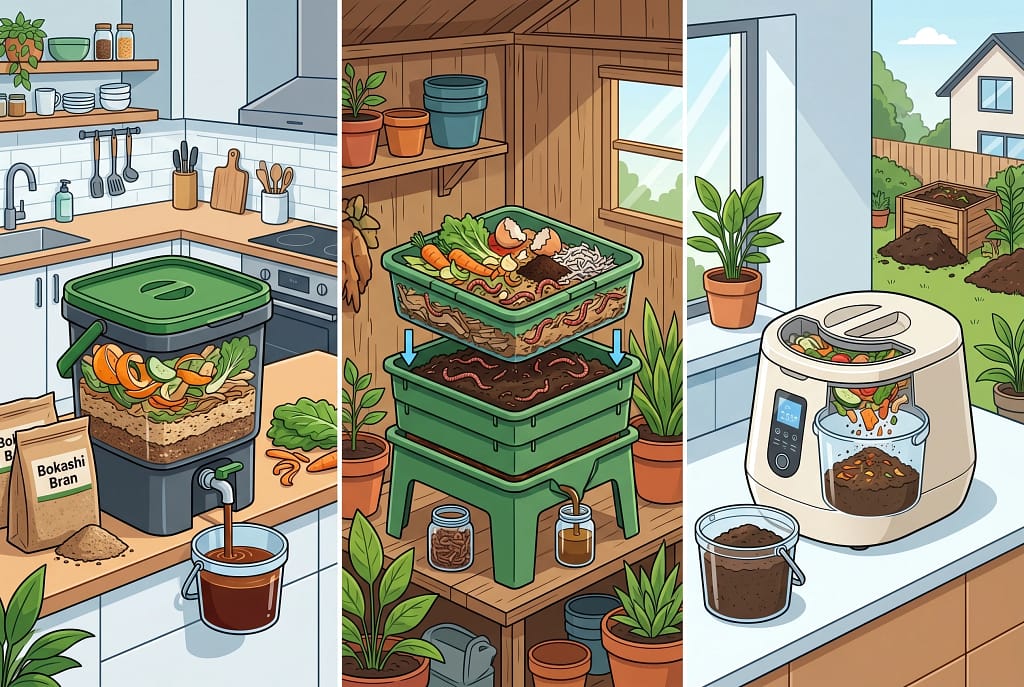
Indoor composting is the process of breaking down food scraps inside your home using controlled systems like compost bins, worm farms, Bokashi fermentation, or electric composters.
Unlike traditional outdoor compost piles, indoor systems are designed for:
- Apartments
- Small kitchens
- Townhouses
- Homes without gardens
- Odour-controlled environments
Indoor composting allows you to recycle kitchen waste year-round without needing a backyard compost pile.
Why Start Composting at Home?
Composting at home helps reduce the amount of food waste sent to landfill while creating nutrient-rich material that can benefit plants, gardens, and soil.
Benefits of indoor composting include:
- Reducing household waste
- Lowering methane emissions from landfill
- Creating nutrient-rich compost
- Supporting sustainable living habits
- Reducing food waste guilt
- Helping gardens and houseplants thrive
Even small households can divert a surprising amount of waste through composting.
Can You Really Compost Indoors Without Smells?
Yes. A properly maintained indoor compost system should smell earthy or neutral, not rotten.
Most indoor composting problems come from:
- Too much moisture
- Poor airflow
- Overfilling the bin
- Adding unsuitable food scraps
Modern systems are designed specifically to help prevent odours and pests. Electric composters and Bokashi bins are especially popular for apartments because food waste stays sealed during processing.
If your compost smells unpleasant, it usually means something needs adjusting rather than the system failing completely.
Best Indoor Composting Methods
Different composting methods suit different homes and lifestyles. Some are completely hands-off, while others require a little maintenance.
1. Bokashi Composting
Bokashi composting uses fermentation instead of traditional decomposition.
Food scraps are layered with Bokashi bran inside a sealed bucket, allowing waste to ferment without strong smells.
- Works well in apartments
- Handles meat and dairy
- Fast fermentation process
- Compact and tidy
Bokashi systems are often ideal for people who want a low-odour indoor solution.
2. Worm Composting (Vermicomposting)
Vermicomposting uses composting worms to break down food scraps into nutrient-rich compost and liquid fertilizer.
A worm bin can process a surprising amount of kitchen waste once established.
- Eco enthusiasts
- Gardeners
- People comfortable maintaining a living system
- Red wigglers
- Tiger worms
Worm composting works best when moisture and airflow stay balanced.
3. Electric Composters
Electric composters speed up the food waste breakdown process using heat, airflow, and grinding systems.
These are popular because they’re beginner-friendly and require very little maintenance.
- Fast processing
- Minimal effort
- Low odour
- Compact countertop designs
Electric composters are especially useful for busy households or people new to composting.
| Bokashi (tested by Michelle) | Worm Farm (researched) | Electric Composter (researched) | |
|---|---|---|---|
| Handles meat & dairy? | Yes – including small bones | No | Varies by model |
| Produces liquid fertilizer? | Yes, regularly drained | Yes (worm “tea”) | No |
| Smell (maintained correctly) | Low, tangy/fermented | Low, earthy | Very low, sealed |
| Effort level | Low – drain liquid weekly | Medium | Very low |
Which Method I’d Actually Recommend (I’m Still Using Mine)
I’ve been running a Bokashi system at home for a while now, and it’s still my everyday setup, so this isn’t a “here’s the theory” section, it’s what’s actually worked for me.
What surprised me: I put everything food-scrap-wise in it, including bones, which most guides (including the one above!) tell you to avoid. In my experience, Bokashi’s fermentation process handles them without issue. I wouldn’t push it with huge beef bones, but smaller chicken and fish bones have never been a problem.
What I love most about it: the liquid fertilizer. It’s one of the most underrated parts of Bokashi, you drain it off regularly and it’s a genuinely rich, ready-to-use feed for houseplants and the garden, diluted with water. It’s basically a free byproduct most people don’t even know they’re getting.
My honest take: I haven’t personally tested an electric composter, so I won’t pretend to know how they compare hands-on, the table above reflects typical manufacturer specs, not my own testing, and I’ll update it if I try one. But for anyone weighing it up: if you want a system that takes almost everything (including bones), produces a genuinely useful liquid fertilizer, and doesn’t need power or moving parts, Bokashi has been reliable enough that I’ve never felt the need to switch.
Which Indoor Composting Method Is Best for Beginners?
If you’re completely new to composting, electric composters are usually the easiest starting point because they require very little maintenance.
However:
- Bokashi systems as covered above, handle more than people expect
- Worm bins create the richest compost
- Electric systems offer maximum convenience
The best system is the one that realistically fits your lifestyle and space.
What You Can and Can’t Compost Indoors
Different composting systems accept different materials, but some food scraps are generally safer and easier for beginners.
Good Compost Materials
You can usually compost:
- Fruit scraps
- Vegetable scraps
- Coffee grounds
- Tea bags
- Eggshells
- Bread
- Paper towels (uncoated)
These materials break down relatively easily and help maintain a healthy compost system.
Materials to Avoid
Depending on your composting method, avoid:
- Meat
- Dairy
- Oils and grease
- Large bones
- Excess citrus
- Heavily processed foods
Bokashi systems can handle more food types than traditional compost bins or worm farms.
Step-by-Step: How to Start Indoor Composting
Step 1: Choose Your Composting System
Starting indoor composting is easier than many people expect.
Decide which method suits your home:
- Electric composter
- Bokashi bucket
- Worm farm
- Countertop compost bin
Think about:
- Available space
- Budget
- Maintenance level
- Household food waste volume
Step 2: Pick the Right Location
Good indoor composting locations include:
- Under the kitchen sink
- Pantry corners
- Laundry rooms
- Balconies
- Utility areas
Choose a space with:
- Stable temperature
- Easy access
- Good airflow
Step 3: Start with Easy Food Scraps
Begin with simple materials like:
- Banana peels
- Vegetable trimmings
- Coffee grounds
- Lettuce
- Apple cores
Avoid overloading your system during the first week.
Step 4: Monitor Moisture and Airflow
Healthy compost should feel slightly damp, not soaked.
Too wet?
Add dry materials or reduce food scraps.
Too dry?
Add small amounts of moisture.
Regular monitoring helps prevent smells, mould, and pests.
Step 5: Harvest Your Compost
Once fully processed, compost can be used for:
- Houseplants
- Vegetable gardens
- Herb pots
- Outdoor garden beds
Some electric composters produce a dry soil amendment rather than fully mature compost, so check manufacturer recommendations before use.
How to Keep Indoor Compost Odour-Free
One of the biggest beginner concerns is smell, but indoor composting can stay surprisingly fresh when maintained properly.
Tips for reducing odours:
- Use sealed systems
- Avoid excess moisture
- Empty bins regularly
- Chop scraps into smaller pieces
- Maintain airflow
- Avoid adding spoiled liquids
If your compost smells rotten, it usually needs balancing rather than replacing.
Common Beginner Composting Mistakes
Almost every beginner runs into small issues at first.
Too much waste at once can overwhelm the system.
Wet compost often causes smells and poor airflow.
Oils, grease, and unsuitable scraps can create problems.
Compost systems still need oxygen balance.
Composting is a process, not magic. Even electric systems take time to produce usable output.
What About Pet Waste?
Pet waste requires a completely different composting approach than food scraps.
Dog waste should never be added to regular compost used for edible gardens because harmful pathogens may survive the process.
Dedicated pet waste compost systems are designed specifically for this purpose.
Important safety reminders:
- Never mix pet waste with kitchen compost
- Use dedicated systems only
- Keep pet compost separate from edible crops
Is Indoor Composting Worth It?
For many households, yes.
Indoor composting can:
- Reduce food waste dramatically
- Lower rubbish bin smells
- Support sustainable habits
- Create useful compost products
- Make kitchens more eco-friendly
Even starting with a small countertop system can make a noticeable difference over time.
Final Thoughts
Indoor composting doesn’t need to be complicated or intimidating.
Whether you choose a worm farm, Bokashi bucket, or electric composter, the key is simply getting started with a system that fits your home and routine.
Small habits build momentum. One banana peel becomes a countertop bin. The countertop bin becomes less waste heading to landfill. Before long, your kitchen starts running like a tiny circular ecosystem quietly humming away in the background.
And that’s where composting stops feeling like a chore and starts feeling strangely satisfying.
Frequently Asked Questions
A healthy indoor compost system should smell earthy or neutral, not rotten. Bad smells usually indicate too much moisture or unsuitable food waste.
Yes. Bokashi systems and electric composters are especially popular for apartment composting because they’re compact and low odour.
Electric composters are often the easiest option for beginners because they require very little maintenance.
Poorly maintained compost can attract pests, but sealed systems and proper moisture control greatly reduce the risk.
It depends on the system. Electric composters may process waste within hours, while worm composting and traditional decomposition can take weeks or months.
In most cases, yes: smaller bones like chicken and fish bones break down well in a Bokashi system, since fermentation works differently to traditional composting and doesn’t rely on the same decomposition process that struggles with bone. Larger or thicker bones (like beef bones) may take much longer to fully break down and are best avoided or added sparingly. Always bury processed Bokashi waste, bones included, in soil to finish the process fully.
Take Your Composting Further
Discover free composting tools designed to help you compost with confidence. Check compostability, troubleshoot common issues, and find practical solutions for a more sustainable home.