Quick Take
Not sure whether something belongs in your compost? Our Compostability Checker gives you a quick answer and explains whether an item is suitable for home composting.
How to Use the Compostability Checker
Enter the item you’re wondering about into the checker. You’ll get guidance on whether it can be composted, along with any important conditions or things to keep in mind.
Composting isn’t always as simple as putting something labelled “natural” or “biodegradable” into your compost bin. Some materials need specific conditions, while others are better kept out of a home compost system.
What Can You Compost?
Common compostable materials
Examples:
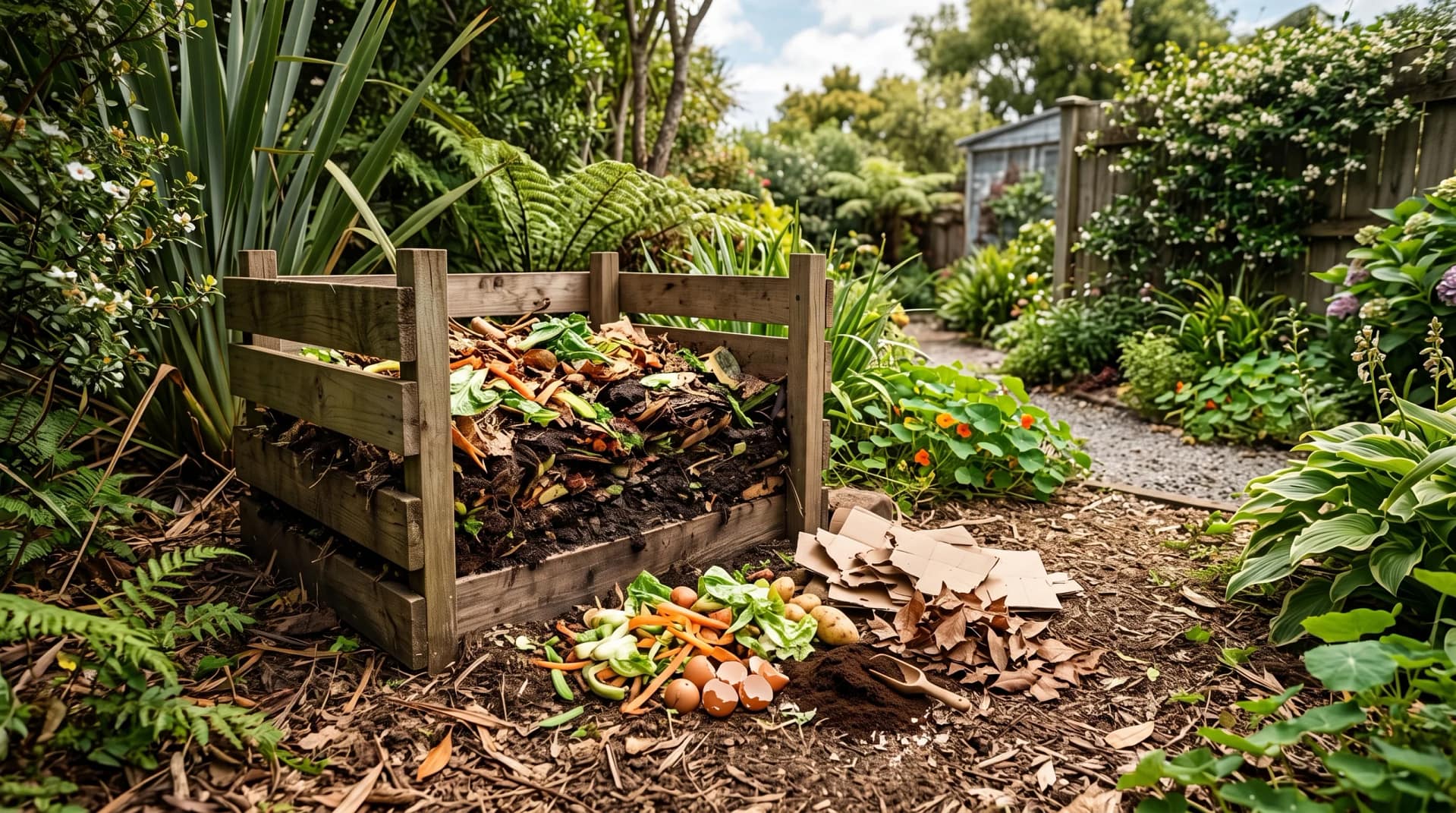
- Fruit and vegetable scraps
- Coffee grounds and filters
- Tea leaves
- Eggshells
- Garden trimmings
- Leaves
- Grass clippings
- Untreated paper and cardboard
- Some natural fibres
What Should You Keep Out of Your Compost?
Briefly cover common problem materials:
- Meat and bones
- Dairy
- Oils and fats
- Pet waste
- Diseased plant material
- Chemically treated materials
- Plastics
- Synthetic materials
Compostable Doesn’t Always Mean Home Compostable
Something can be described as biodegradable or compostable but still require commercial or industrial composting conditions.
One of the easiest composting mistakes is assuming that anything labelled “compostable” can simply go into a backyard compost bin.
Some certified compostable products are designed for commercial composting facilities where temperature, moisture and processing conditions are carefully controlled.
If you’re composting at home, it’s worth checking what the material actually requires rather than relying on the word “compostable” alone.
Not sure whether something belongs in your compost? Check it now with our Compostability Checker.
Why Compostability Matters
Knowing what can and can’t be composted helps reduce contamination and keeps your composting system working effectively.
Keeping unsuitable materials out also means less waste ends up being sent through a system that isn’t designed to break them down.
The goal isn’t perfect composting. It’s making better choices, one item at a time.
Compostability Checker FAQs
What is the Compostability Checker?
The Compostability Checker is a quick reference tool that helps you find out whether common items can be composted and what conditions may apply.
Can I compost anything labelled biodegradable?
Not necessarily. Biodegradable and compostable aren’t interchangeable terms and some products require commercial composting conditions rather than a home compost bin.
Can compostable packaging go in my home compost?
It depends on the material and how it has been certified. Some compostable packaging is designed specifically for commercial composting, so check the product instructions before adding it to your home compost.
Can food scraps go in compost?
Most fruit and vegetable scraps are suitable for home composting. Other food waste, such as meat, dairy and oily foods, may require a particular composting system or may be better kept out of a traditional home compost bin.
Can paper and cardboard be composted?
Many plain, untreated paper and cardboard products can be composted. Avoid materials containing plastic coatings, heavy inks, synthetic finishes or other substances that may not break down safely.
What if the checker doesn’t list my item?
If you can’t find the item you’re looking for, consider what it is made from and whether it contains coatings, plastics or synthetic materials. You can also check the manufacturer’s instructions or look for guidance on CompostPulse.
Keep Exploring Composting
Not sure where to go next? Explore more practical composting guides on CompostPulse.